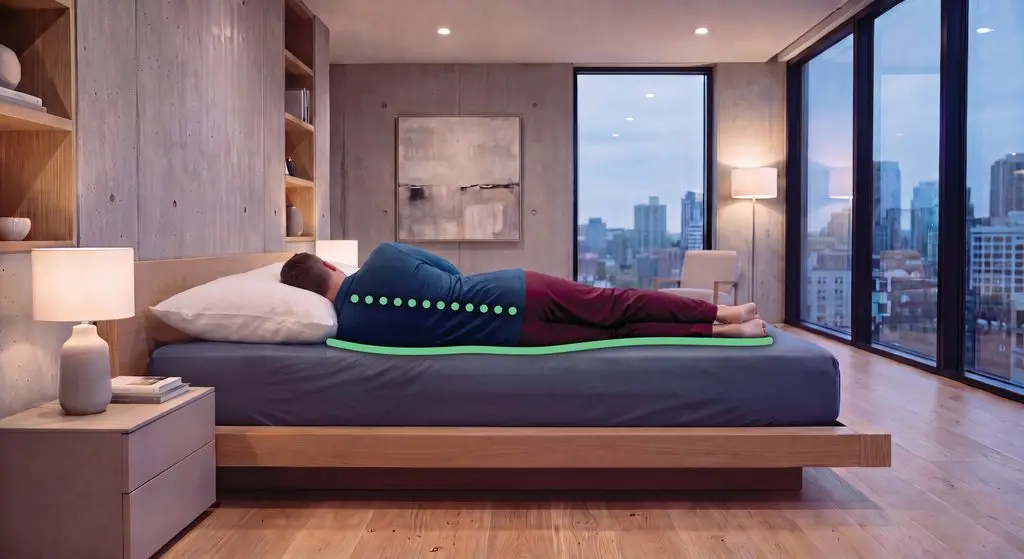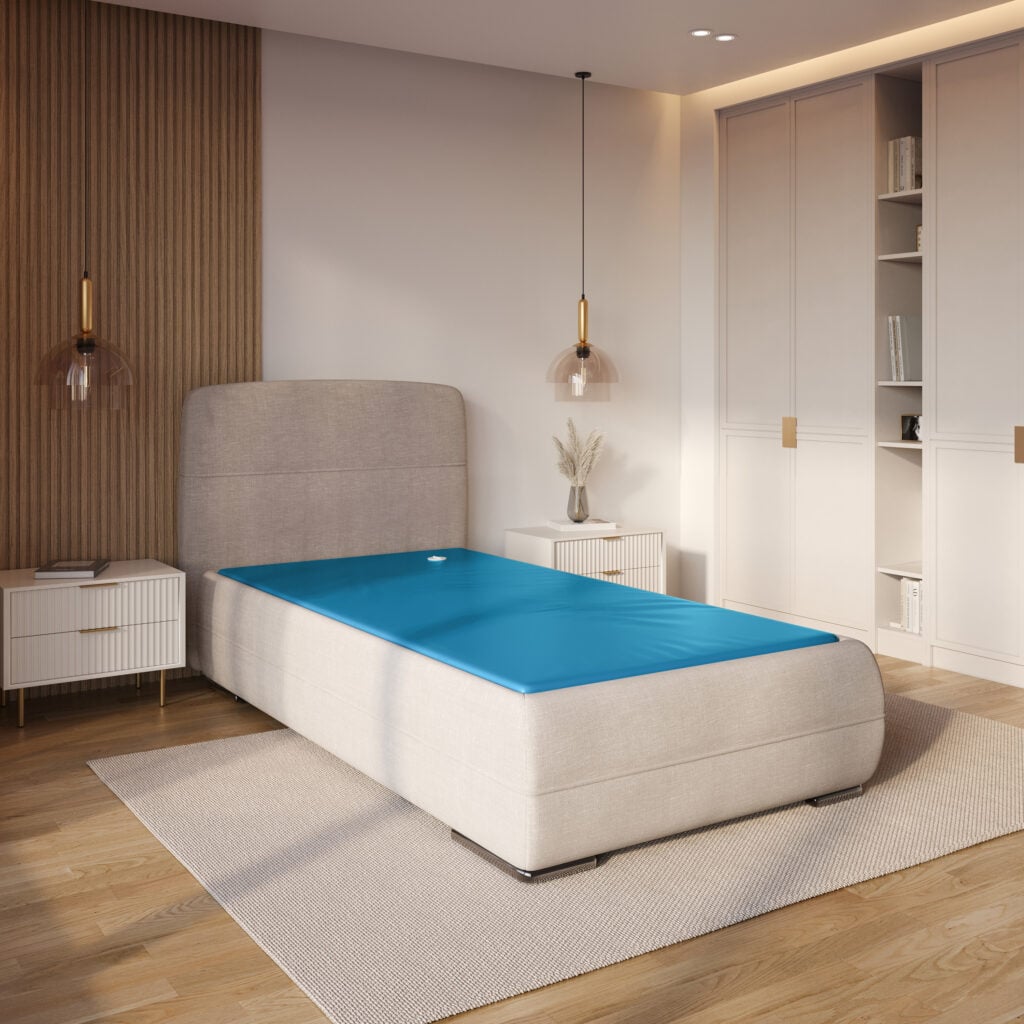
For many people, the first thought that comes to mind with a waterbed is the risk of a leak. While that reputation may have fit the earliest models, today’s designs use modern engineering to make leaks extremely rare. The materials, construction, and care methods have all advanced so that waterbeds now provide dependable comfort along with the signature floating sensation.
Modern Improvements
The biggest improvement has been in the way waterbeds are built on the inside. Early versions were simple chambers filled with water. Modern versions often use internal layers of fiber or foam that keep motion under control and provide stronger support. These designs not only make sleeping more comfortable but also reduce stress on seams and edges, which lowers the risk of leaks developing over time.
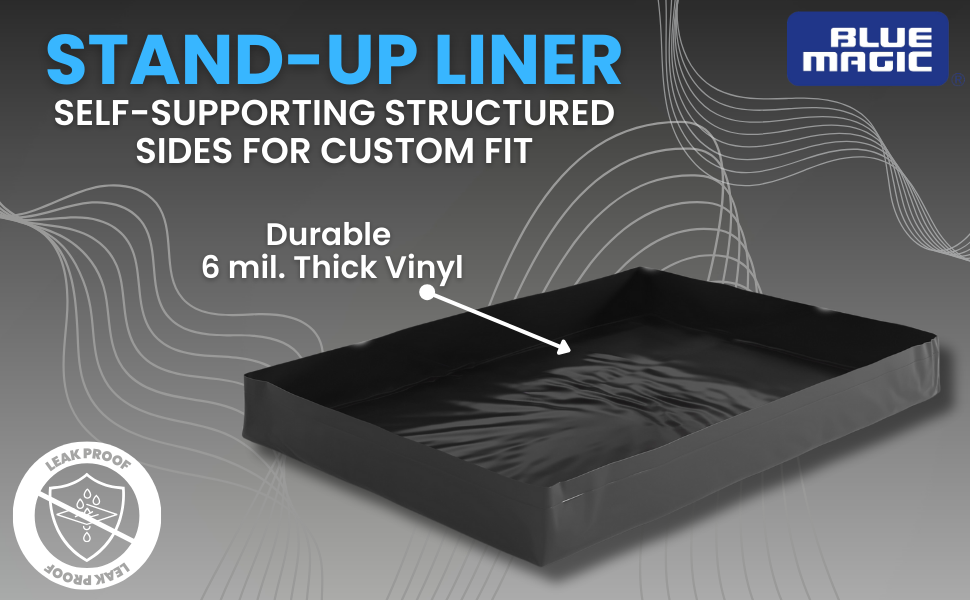
Another important factor is the outer material itself. High quality vinyl is used to create a surface that is both flexible and resistant to punctures. When paired with regular conditioning, the vinyl stays supple and less likely to crack. Most waterbeds also include reinforced seams and secure caps, which are the most common points of weakness in older mattresses. Even in the unlikely event of a puncture, specialized vinyl patch kits make repairs quick and easy, often without the need to drain the bed.
You Can Be Confident
With all of these innovations working together, the modern waterbed is a product built for confidence. It delivers the same soothing float that made waterbeds famous, while adding layers of engineering that make them reliable for years of nightly use. Far from being a nostalgic throwback, today’s waterbed is a smart and exciting choice for anyone who wants comfort, durability, and a sleep experience unlike anything else.