Part 2 of a 2-part Waterbedtime Story™ sponsored by InnoMax Corp.
Waterbeds didn’t just enter the market; they arrived with a cultural wave.
Emerging in the late 1960s from San Francisco’s counterculture scene, waterbeds were born into an era defined by experimentation, individuality, and a rejection of convention. What began as a niche curiosity, sometimes cheekily referred to as the “passion pit”, quickly evolved into a symbol of freedom, comfort, and innovation.
Waterbeds became a playground for innovation

Early designers and pioneers saw limitless potential. Armed with emerging vinyl fabrication techniques and a willingness to push boundaries, they created beds unlike anything the world had seen. Shapes ranged from simple rectangles to bold expressions; round, octagonal, decagonal, and even heart-shaped designs that became staples in romantic getaways and themed motel rooms.
It wasn’t just about the shape, it was about experience
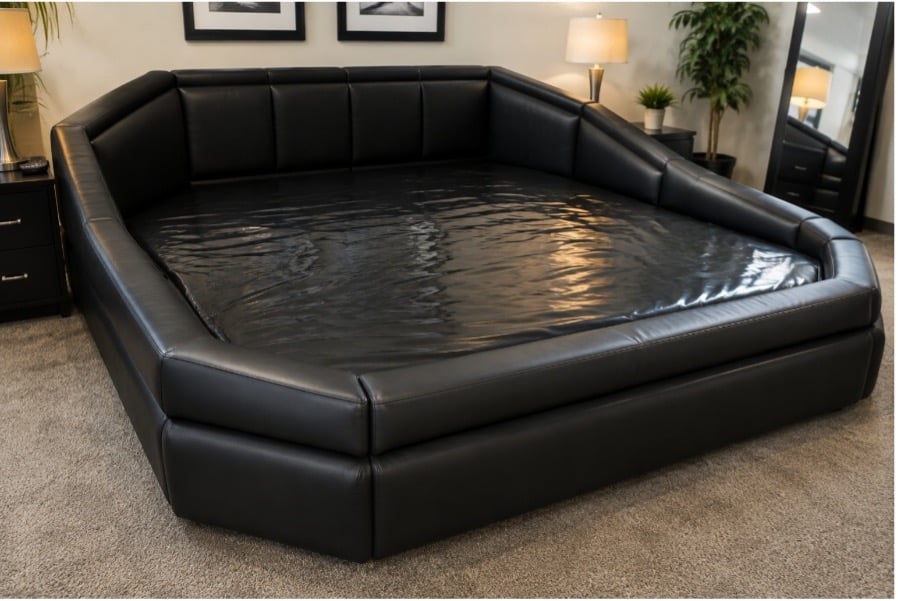
Waterbeds became a playground for innovation. Some featured built-in sound systems beneath the mattress, using water’s natural ability to transmit vibration for a deeply immersive effect. Others incorporated early massage systems that created wave-like motion, turning sleep into something closer to floating. Mirrored canopy frames added theatrical flair, while early iterations of ceiling-mounted televisions or folding down at the foot of the bed hinted at a future that hadn’t quite arrived yet.
Television and movies leaned into the humor
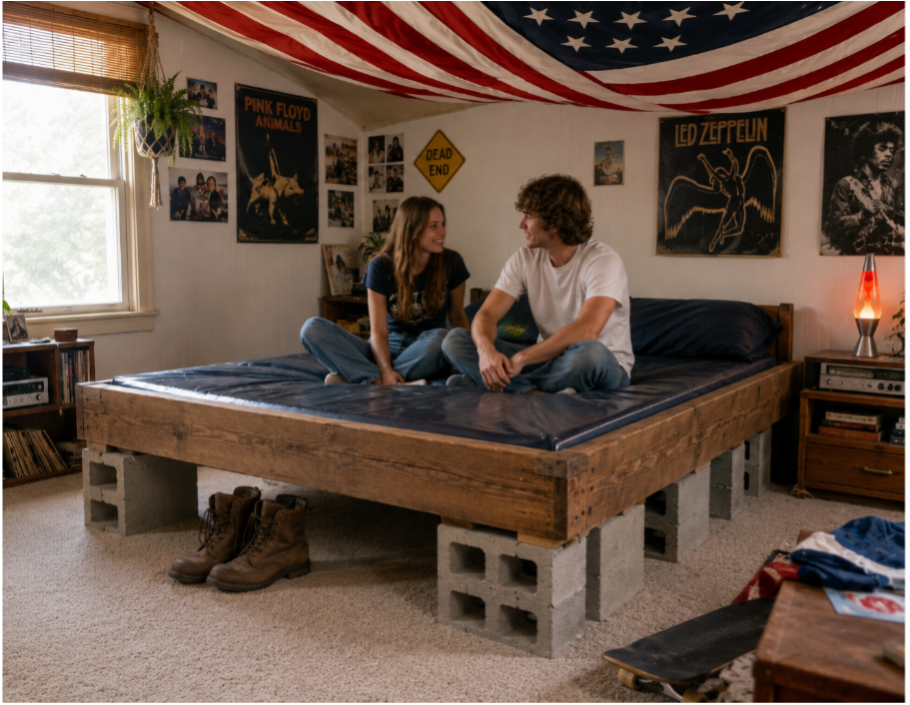
Pop culture amplified the phenomenon. In 1960s spy films, waterbeds were portrayed as luxurious, playful, and just a little outrageous, sometimes even filled with goldfish to emphasize their novelty. Television and movies leaned into the humor, exaggerating the motion into tidal-wave antics, often sending one sleeper comically off balance. Even mystery plots found a way to feature waterbeds, cementing their place as both spectacle and symbol.
By the 1970s and into the early 1980s, waterbeds had fully entered the mainstream. What began as a counterculture experiment became a multi-billion-dollar industry, with millions of users drawn not just to the novelty, but to the unique comfort they provided.
Because beneath the cultural hype was something real.
The feeling has often been compared to zero-gravity
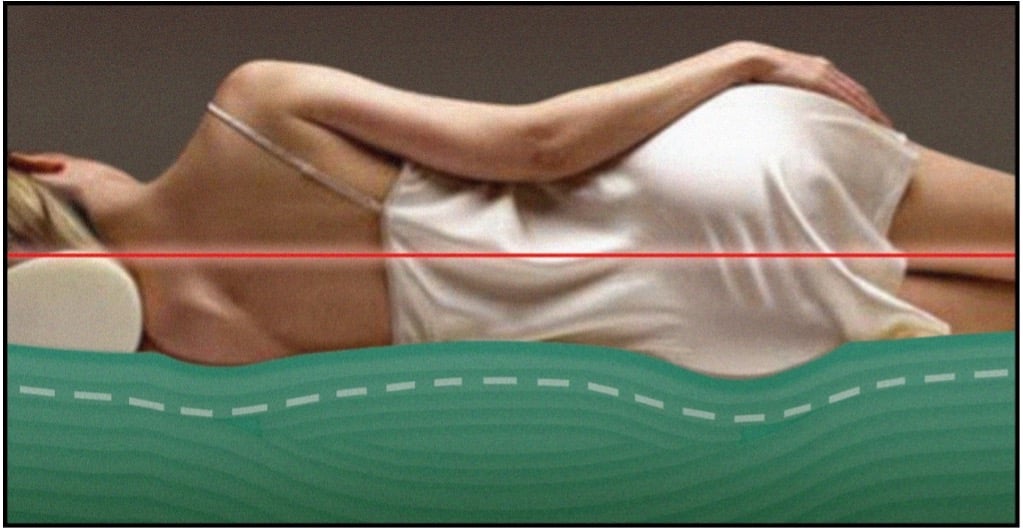
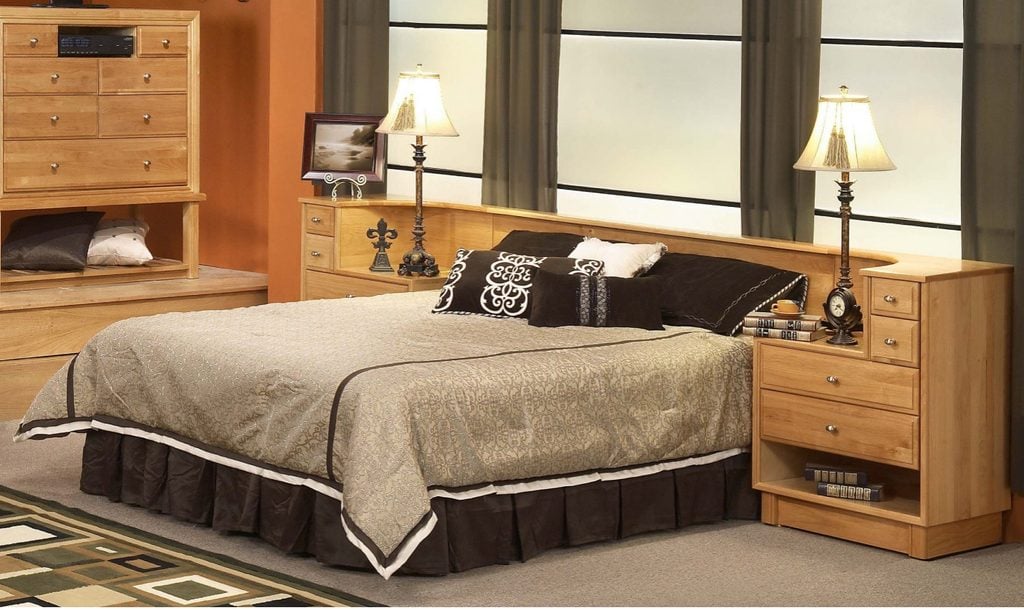
Waterbeds offered a sleep experience fundamentally different from traditional mattresses, a sensation of weightlessness, reduced pressure points, and temperature-controlled comfort. Cool in the summer, warm in the winter, they created an environment that many described as deeply restorative. The feeling has often been compared to zero-gravity conditions, not unlike what astronauts cite as one of the quiet luxuries of space: the ability to rest without the constant pull of gravity. Over time, the industry evolved. The bold, sometimes extravagant features of early designs gave way to refinement. Modern flotation systems are engineered for stability, ease of care, and integration into contemporary bedroom aesthetics. Wave-reduction technology, improved materials, and better support structures have transformed the waterbed from a novelty into a sophisticated sleep solution.
Yet the essence remains unchanged…
Waterbeds still offer something rare in today’s world of standardized comfort: a sense of individuality, a connection to innovation, and an experience that feels genuinely different every time you lie down.
Epilog
Looking back, it’s easy to see waterbeds as a product of their time, playful, experimental, and a little rebellious. But looking forward, they remain a reminder that comfort doesn’t have to be ordinary. Sometimes, the best night’s sleep comes from thinking differently…and letting yourself float.
°°°

Contributing author for this edition has been Mark Miller, President of InnoMax Corporation. Check back in with the next episode of when we share another Waterbedtime Story™. In the meantime, please feel free to connect with InnoMax Corporation anytime at Sleep@InnoMax.com.