Why sleep tracking wearables belong in every mattress retailer’s sales training
Notes From The Road with Chris Taheny
The Customer Has Already Moved Forward
Before a customer walks into your store, she may have already checked her sleep score, reviewed how often she woke up, and wondered why she still feels tired. She might even be wearing the device that prompted those questions on her wrist or finger. For a retail sales associate who recognizes it, that creates a natural opening. For anyone responsible for training, it raises an important question: Have we prepared our people to have the conversation this customer is ready to have?
Looking back roughly a decade, I believe parts of the mattress industry were either unprepared for the emergence of wearable sleep tracking or simply uninterested in embracing it. Perhaps we viewed it as something outside our business while we focused on selling commodities otherwise known as ‘mattresses’. Today, that position is increasingly difficult to defend. Consumers are spending money and paying attention to the very subject our industry talks about every day. We should be excited about that interest and deliberate about turning it into a more relevant retail experience.
Apple Makes Sleep Part of an Everyday Device
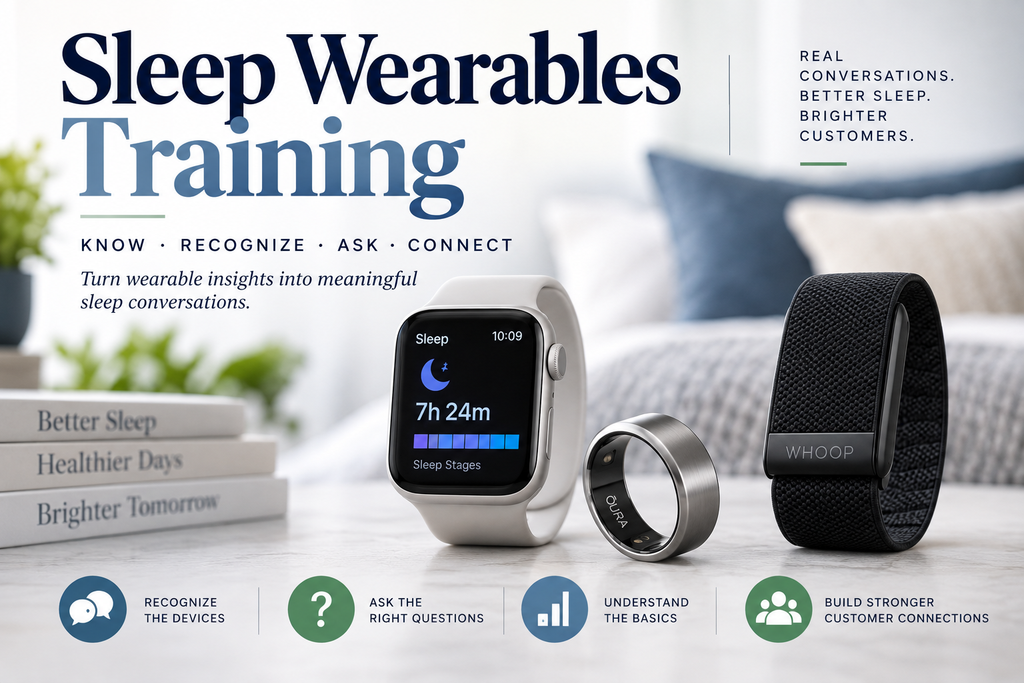
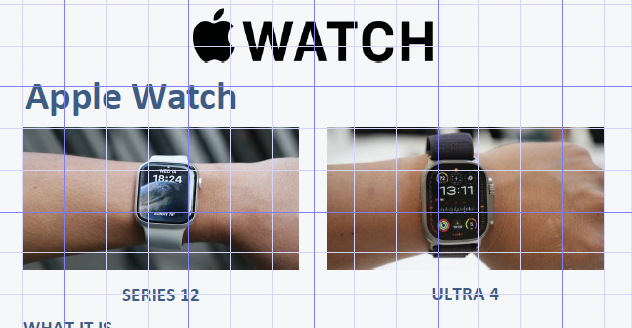
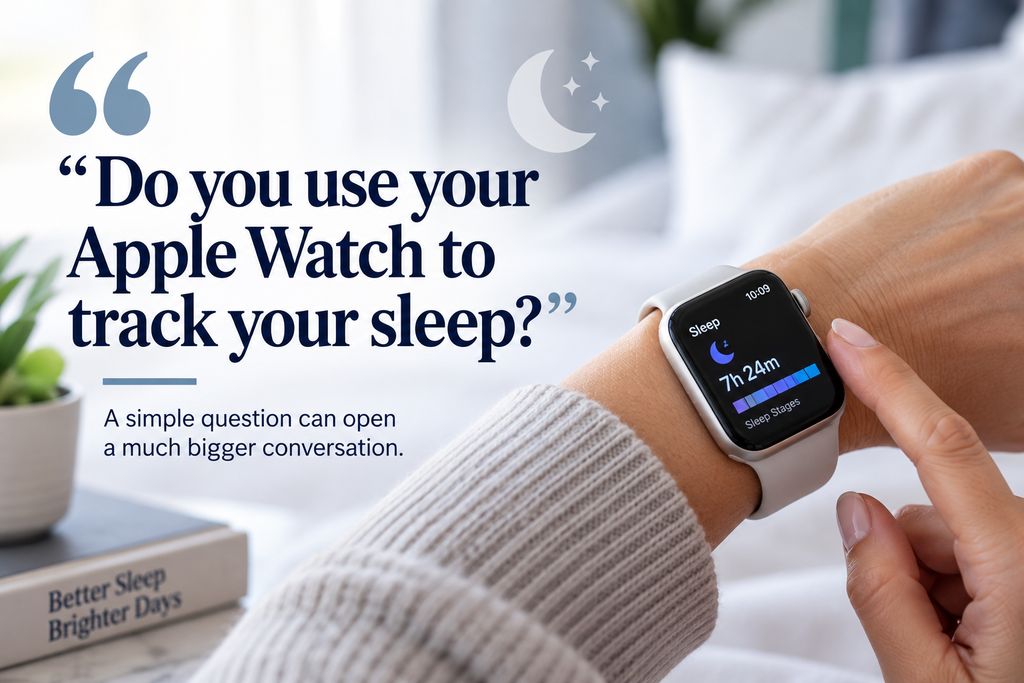
Apple offers an easy place to begin. Its watches are generally recognizable by a rectangular screen with rounded corners and a small crown on the side, although other watches can look similar. Users can review sleep duration, estimated sleep stages, and a sleep score through Apple’s software without purchasing a separate subscription for native sleep tracking. An RSA does not need to know every model to ask, “Do you use your Apple Watch to track your sleep?” That question establishes whether sleep tracking matters to this particular customer.
According to CompaniesMarketCap, Apple’s total market capitalization was approximately $4.9 trillion in September 2026. That represents the entire company, not its sleep business, but it illustrates the resources and reach behind a brand making sleep information part of everyday life. Someone may have purchased an Apple Watch for messages or exercise and subsequently became interested in sleep. We have an opportunity to meet that interest with knowledgeable people and a meaningful sleep shopping experience.
Oura and WHOOP Demonstrate a Deeper Commitment
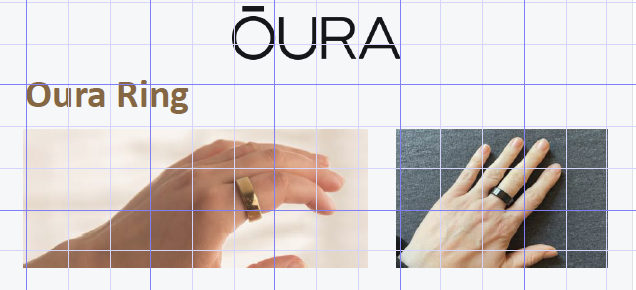
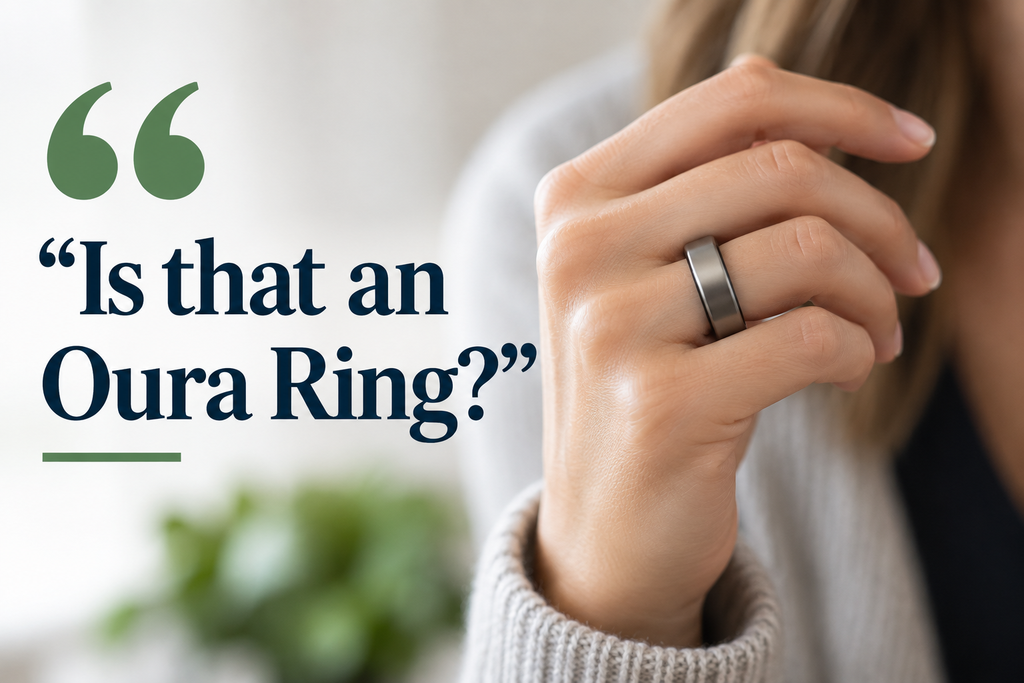
Oura makes that commitment visible in a different form. Its device resembles a substantial jewelry band rather than a watch, so an RSA could easily overlook it. Thankfully, Oura recommends wearing their devices on a middle or index finger. Much easier to spot. A simple “Is that an Oura Ring?” is more appropriate than assuming every broad ring is a tracker. As Reuters reported, Oura’s October 2025 funding round valued the company at approximately $11 billion. According to Oura’s membership information, it reports more than five million members, with U.S. membership priced at $5.99 monthly or $69.99 annually in addition to the ring purchase. These consumers are making an initial investment and then paying to maintain access to detailed insights.
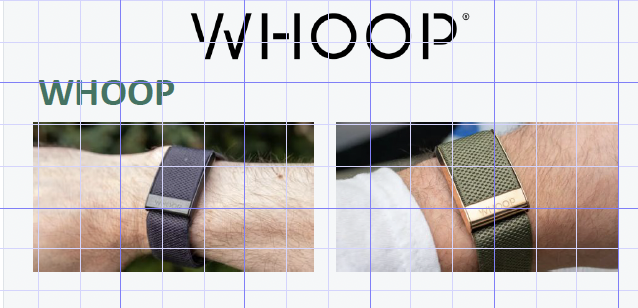
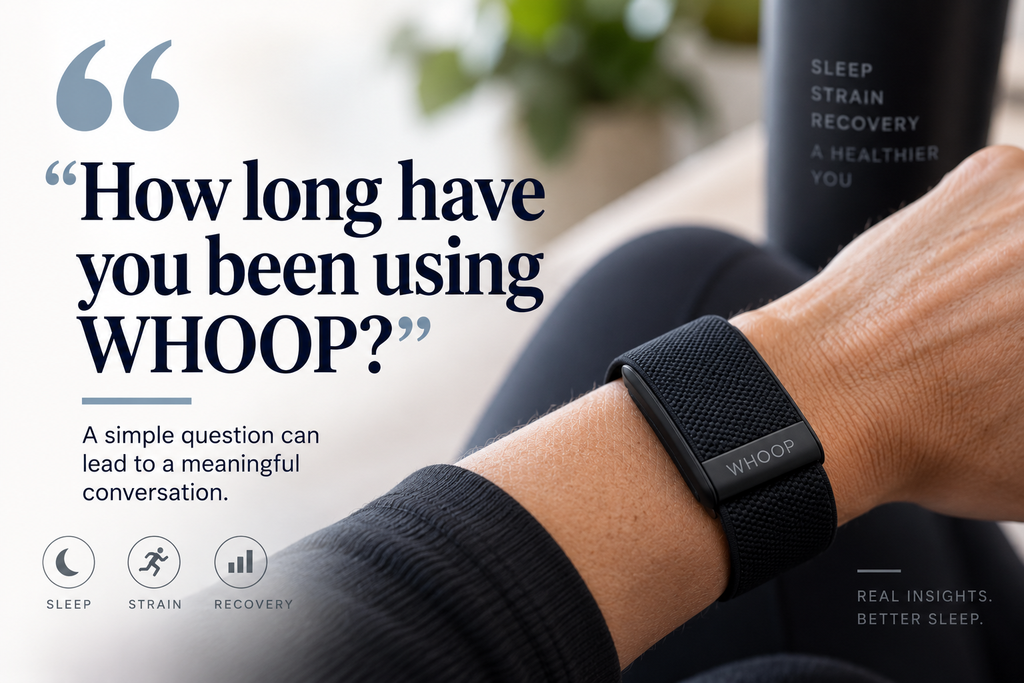
WHOOP is often recognizable as a fabric band with a sensor and no watch screen, although it can also be worn away from the wrist. According to WHOOP’s membership information, its memberships include a device and provide insights connecting sleep, strain, and recovery. The Financial Times reported a $10.1 billion valuation following a $575 million funding round in 2026. These businesses deserve our attention. Consumers are willing to spend meaningful money on an ongoing relationship with their health information. An RSA who asks, “How long have you been using WHOOP?”can begin learning what that investment means to the person standing in front of them. And it can provide a deeper human connection than “are you looking for plush or firm?” ever could.
The Sleep Conversation Is Growing Without Us
These companies have built customer relationships without depending on mattress retailers to lead the way. Their products and apps can engage people every morning, while a mattress retailer may go years between purchases from the same customer. In that time, customers can develop new expectations, questions, and habits while our sales presentation stays exactly the same. Knowing our merchandise is no longer enough to understand everything influencing the purchase.
• For owners and operators, this is an opportunity to make the store more relevant.
• For manufacturers and their representatives, it is a reason to broaden dealer education beyond the latest construction story, what their foam ILDs are, the coil gauges they use, or why where their raw materials are sourced makes for a great story.
• For RSAs, it offers a way to connect with someone before discussing specifications or price. The exciting part is that we do not have to create this interest from scratch. These customers have already chosen to pay attention to sleep.
• Our job is to discover what matters to them and make our expertise useful.
Make Device Knowledge Part of Routine Training
Start with a 15-minute exercise at the next sales meeting. Show official product photos of an Apple Watch, an Oura Ring, and a WHOOP band in different colors and styles. Ask the team to identify each device and practice a question they could comfortably ask its owner. Then show sample app screens and explain basic terms customers may mention, such as sleep duration, consistency, readiness, and recovery. Teach recognition as a starting point, not a certainty. Other smart rings and fitness bands can look similar, and a customer may not use a device’s sleep features at all (especially in the case of the Apple Watch).
Make this a shared responsibility across the business.
• Store owners can put a short refresher on the monthly training calendar.
• Manufacturers can give their representatives examples of how customer questions relate to supported product features.
• Representatives can use a few minutes of a store visit to practice those conversations with RSAs.
A simple reference sheet should include a device photo, what the app emphasizes, whether membership is involved, and two opening questions. Finish each session with a brief role play: one person is the customer, one is the RSA, and the team discusses whether the questions produced useful information. That is training employees can put to work on their next shift.
This is the type of opportunity where all industry hands on deck are needed!
Use Familiarity to Build a Better Connection
Good icebreakers should sound curious.
• For an Apple Watch wearer, try, “Do you use it to track your sleep, or mostly for other things?”
• For an Oura user, “What interested you in getting the Oura ring?”
• For a WHOOP user, “What have you found most useful about your Whoop subscription?”
Once the customer expresses an interest in sleep tracking, ask, “Has it changed anything about your bedtime routine?”or “Did anything you noticed play a part in deciding to shop for a mattress?”
• If there is no visible device, “Do you use anything to track your sleep?” works just as well. Ask one question, listen, and let the answer determine what comes next.
The next step is connecting that answer to the customer’s experience in bed. If someone mentions interrupted sleep, ask, “When you wake up, do you notice anything making you uncomfortable?” They may describe feeling warm, movement from a partner, or difficulty finding a comfortable position. Those answers give the RSA a reason to demonstrate particular mattresses, compare pillows, or discuss sheets and protectors. A helpful transition is, “You mentioned your partner’s movement bothers you. Let’s compare how these two mattresses feel when someone moves beside you.” Now the demonstration responds to something the customer actually said, and the product story has a personal purpose.
All because they had a distinctive band on their wrist or a ring on their middle finger, and they were asked about it.
Protect Credibility as You Build Knowledge
An informed RSA also knows where the conversation should stop. A low sleep score does not establish that a mattress is the problem, and a new mattress should never be presented as a guaranteed way to increase deep sleep or raise a recovery score. The endgame is not to turn RSAs into sleep scientists (something they’re not). The endgame IS leveraging emerging consumer demand into an opportunity to connect deeper with customers on what’s already important to them.
Different devices calculate their results differently. Keep recommendations tied to the customer’s stated comfort concerns and the product’s supported features. Let customers choose whether to share their screens, and leave medical interpretation to qualified healthcare professionals. If someone is uninterested in discussing a device, move on naturally. Respectful curiosity builds a better connection than trying to prove how much we know.
Earn a Place in the Conversation
The proliferation of sleep tracking wearables gives our industry something worth getting excited about: consumers actively thinking about sleep between mattress purchases. Some are investing in devices and subscriptions, reviewing their results, and looking for ways to feel better. We cannot afford to dismiss that behavior as someone else’s business. Owners decide whether training receives attention, manufacturers and representatives help shape its content, and RSAs bring it to life with the next customer. Every part of our industry has a role.
This is a shot at redemption after our industry was unable to embrace sleep tracking wearables when they first began emerging a decade ago. At your next meeting or store visit, put three device photos in front of the team and ask, “What would you say to the person wearing one?” Then practice the answer. These technology companies will continue talking to our customers about sleep. Let’s make sure that when those customers walk through our doors, they find people ready to contribute to the conversation.