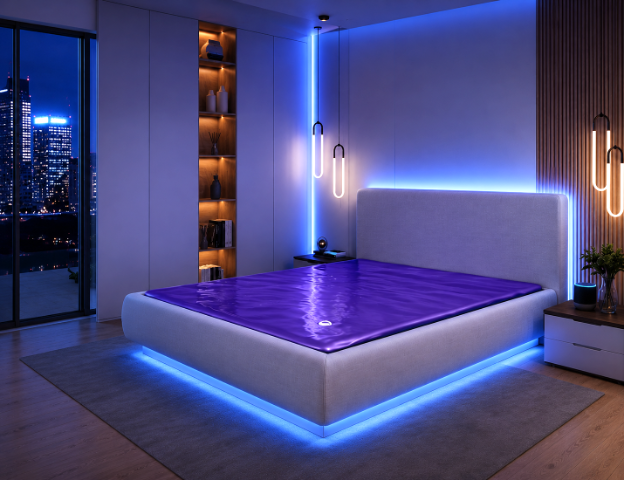
Before the Gadgets, There Was Flotation
The sleep optimization industry has exploded in recent years. Smart rings track your REM cycles, mattress pads cool you down to the degree, and apps grade your nightly performance like a report card. What is this new generation of sleep tech enthusiasts rediscovering? The waterbed got there first. Decades before the first smart watch shipped, flotation sleep was already delivering the core promises of modern sleep bioscience: pressure relief, personalized temperature, and full-body support that moves with you rather than against you. The vintage image of a sloshing, leaky novelty could not be further from the sophisticated waterbed systems that exist today, which look and feel like premium mattresses while working on physics no foam or spring has ever been able to replicate.
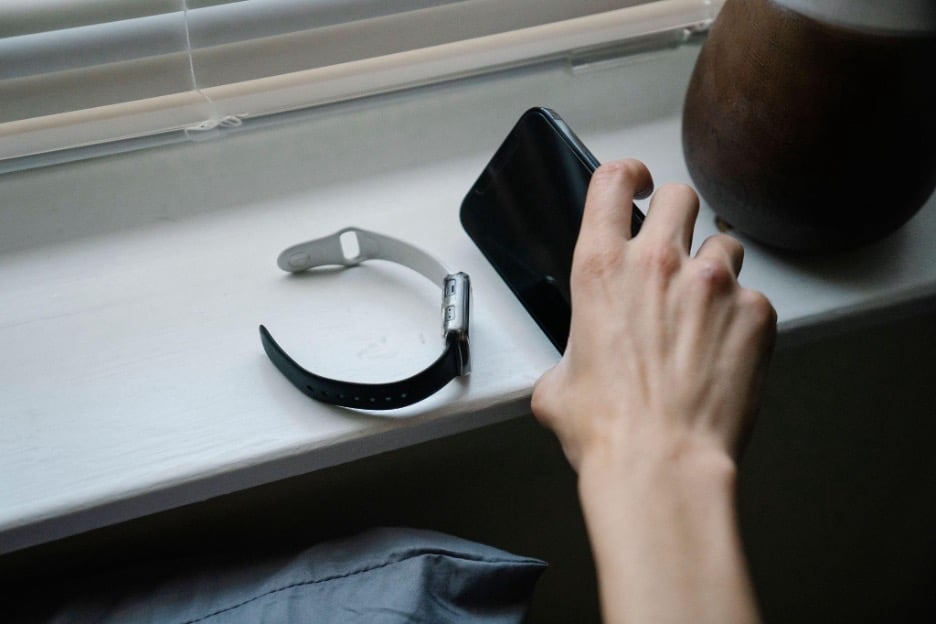
The One Variable Sleep Trackers Can’t Fix
Wearables are extraordinary at measurement, but measurement isn’t the same as improvement. You can know with clinical precision that you spent forty minutes in light sleep and woke three times between two and four in the morning, but why? The answer, more often than any algorithm will tell you, is the surface you’re sleeping on. Traditional mattresses work by pushing back against your body. Every spring and foam cell that compresses under your shoulder or hip creates a pressure point, triggering micro-arousals that your tracker will dutifully log, but that your mattress can’t address. By contrast, flotation sleep displaces rather than resists. The water underneath you yields to the exact contour of your body and holds it there without fighting it. Longtime waterbed owners often describe the sensation not as lying down, but as being gently held. That’s a distinction your nervous system registers, even if your conscious mind doesn’t.
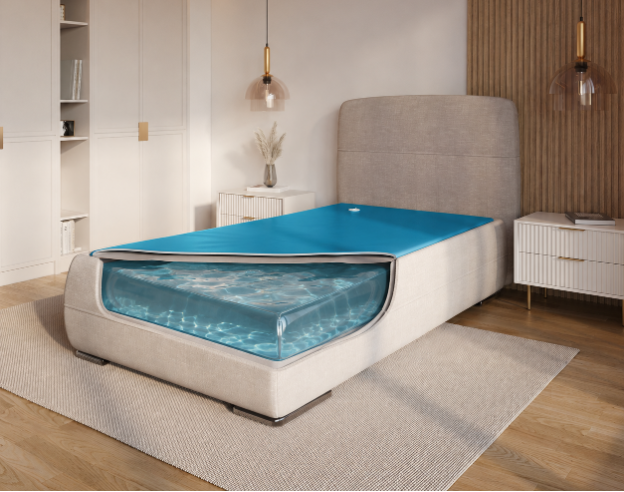
A Smarter Sleep System Is Already Here
At its core, the modern waterbed is a precision sleep instrument. Fill level is adjustable — more water for a firmer feel, less for deeper contouring — which means your waterbed is tunable to your body weight, your preferred sleep position, and even how your comfort preferences shift across seasons. Add waterbed heating systems, which allow you to control the exact temperature of your sleep surface, and you have a customization toolkit that rivals anything the new smart sleep world has produced at a fraction of the cost. The biohacking generation wants control, personalization, and results. That kind of custom sleep is what waterbeds have always delivered—zero subscriptions required.